Insights into self-regulation
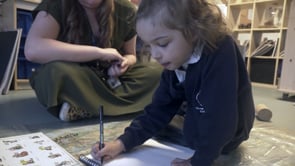
Self-regulation and executive functioning are consistently linked with successful learning, including pre-reading skills, early maths and problem solving. Developing self-regulation helps children in really important and far reaching ways.
Being self-regulated or being very cognitively controlled, turns out to be really important. Lots of evidence suggests that this is probably thee development in early childhood that significantly predicts a whole range of academic educational outcomes but also general life outcomes, emotional well-being, ability to work in a group, ability to make friends, to develop as a well adjusted social being who can work well with others and in particular the ability to maintain and control ones attention on a task is very predictive of long term outcomes like that.
Use the clip library to practise and refine your skills
Aziah plays outside
David – Event sample – without additional materials
The Two Year Old – at home
The Two Year Old – at nursery
Skye – Two year olds outdoors – no voiceover
Alison Gopnik – Why is pretend play so important?
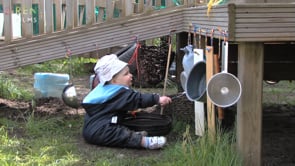
Toddler explores natural materials & sound outdoors
A game of pirates
What can you learn from a walk along the high street?
Schemas – in, through and out
Schemas – in and out
Again, again! What is a schema?
Alison Gopnik – Why do children play?
David Whitebread – What is self-regulation?
David Whitebread – How can you support the development of self-regulation?
What does emerging pretend play look like?
I want to climb a tree
Transcribing and transformers
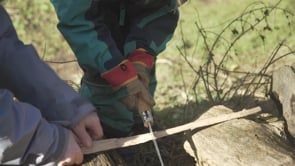
I want to make a bow and arrow
Helping my friend
The train to water fountain
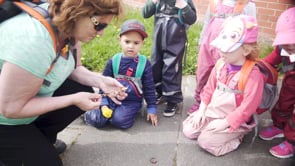
Looking at ladybirds
How do we balance?
What shall we do with the cauldron?
Arthur pays the bill
The hat shop
Felicity joins in
Isabella wants to join in
The three bears
Making music
How does understanding & vocabulary increase?
Discovering new tastes and textures
How do children begin to understand the code of language?
Ko plays in the park
What does early socialising with peers look like?
From fun and games to first words and conversations
How do babies learn to communicate?
Why are care routines more important than just physical care?
Gemma plays with magnets
How to read and interpret signals?
What is attunement?
How do babies learn to regulate their emotions?
What happens when the babies cries are responded to quickly?
Why are interactions so important?
Developing independence
Heidi goes shopping
Mia’s numbers game
Finn’s dice game
Chatting at meal time
Building a dragon’s cave
The sleepy firemen
The witch’s den
The wheel barrow
Learning from older children
Baby plays with everyday objects
The log guitar
Tree pond for frogs
Climbing the gate
Snowdrops are bursting
Sophie rolls bottles
Beer for the pirates
The abacus
Building a path
Building a fire
Dropping stones
Rolling eggs
Niaz and the princess
Amanda’s butterfly
Playing with bricks
Mystery of the broken headstone
In the den
Orson’s ball game
Sam does woodwork
Rose hammers
Fran and Lauren fall out
Anna makes a tent village
Luca climbs a ladder
Seth gives a friend a ride
Yasmine grouping toys
Daniel puts on his ‘workers’ jacket
Learning to use scissors
Rosa and the magnifying glass
We need four pieces
Making bread – weights and amounts
Playing with dough
Onions
Jamie plays with objects
Exploratory play – Jamie and Megan – 2 yrs 5 mths
Yasmine explores slopes and edges
Counting & estimating
Jumping and counting
The monkey tree
The dice game
Niamh’s halves, quarters & eighths
Niaz draws a list
Erin explores water
Sky climbs the tyre
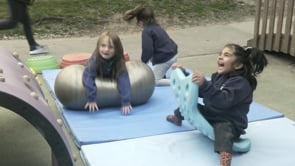
Developing self-regulation through physical play
Finn manages emotions
Jordan’s car wash
The bakers
Seth and Davide go dancing
It won’t fit through! What will we do?
Layla Rose’s animal spotting list
What kind of insect is it?
Seth and Davide blocks and technology
Essential attributes of a key person – intro
Essential attributes of a key person – clip 1
Essential attributes of a key person – Conclusion
Understanding attachment – intro
Understanding attachment – What is attachment?
Understanding attachment – Multiple attachments
Understanding attachment – ‘Tuning in’
Understanding attachment – Brain development
Understanding attachment – Emotional regulation
Understanding attachment – Insecure attachment
Understanding attachment – Summary and links to theory
‘Tuning in’ – clip 1
‘Tuning in’ – clip 2
‘Tuning in’ – clip 3
‘Tuning in’ – clip 4
‘Tuning in’ – clip 5
Introduction to the key person course
Giant stories
Tigers can’t actually skip you know!
Soliving conflict
I want to be in the bed!
Conflict over chalk
I’m angry! I’m sad.
One for my friend
H for hedgehog
What’s the matter?
Could baby ride with Alice?
Brenda! Look at me!
Introduction to observation
Observation task 1 Dylan
Observation task 1 Dylan with observation on screen
Assessment
Assessment activity
How can I stick this?
Introduction to physical play
Why do children takes risks in physical play?
Environments & materials for supporting physical play
How can adults support physical play?
What does gross motor play look like?
How do children learn from each other?
What does fine motor play look like?
The cafe
Orson draws a creature
Orson draws a pyramid
Robert Winston talks about early education, gender, music & science
Pretend the baby was in the cupboard
The poisoned drink
Doctors and nurses
Tidy up time
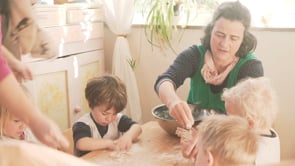
Making bread
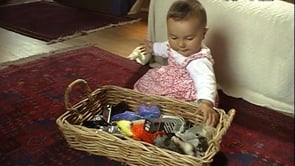
Baby plays with basket of objects
The floor is on fire!
Victoria looks at treasure
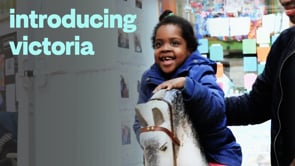
Introducing Victoria
Victoria – Where’s my hat?
Victoria – Swinging & singing
Adam and the trampoline
Adam – Transitions
Introducing Harry
Harry and the water tray
Introducing Khloe
Khloe – Making choices
Khloe and the trampoline
Khloe in the mud kitchen
The treasure map
Emile builds a den
Jack makes music
Henry plays with bricks
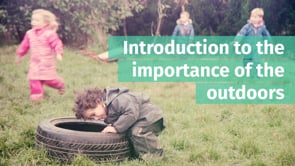
Introduction to the importance of the outdoors
Why don’t cows live in the water?
Arthur begins to empathise
What’s in Niaz’s lunch box?
The rescue
Jack makes a log sculpture
Why do babies and young children respond more slowly?
What is attachment?
What is insecure attachment?
What does a secure attachment relationship look like?
Smiling, babbling and turn taking
How does socialising with peers support development?
Born to Talk – Full film
Play and Learning at School – Full film
Firm Foundations for Early Literacy
Babies Outdoors – Full film
Toddlers Outdoors – full film
Harry and the mud slide
Introducing Adam
Writing in the sand
Oliver plays with blocks
Oliver looks at books
Oliver explores outside
Evan sings action song
Orson chats at lunch time
Orson chats with Dad
Building a log tower
Anna and Sky play high school kung fu
Ava writes a list
The motivation for developing a forest nursery
Find out about setting up and running a forest nursery?
Julian Grenier talks about effective observation
What are the essentials for choosing an environment for your forest nursery?
What’s does effective teaching look like at the Little Forest Folks forest nursery?
Introducing Filip
Observation, assessment & planning
Introduction to the target child observation technique
Target child – complete sequence
Target child C – Observation
Target Child C – Evaluation
Target Child D – Observation
Target Child D – Evaluation
Children’s drawings
Introduction to event & time sampling observation technique
Laura – Time Sample
Laura – Event sample
Introducing Oliver
David – Time Sample
David – Event sample
Attachment in Practice – Intro
Attachment in Practice – Pre-attachment
Attachment in Practice – attachment in the making
Attachment in practice – Attachment behaviour, separation anxiety
Attachment in practice – Attachment behaviour – strange situation test
Attachment in practice – Secure attachment behaviour
Attachment in practice – Insecure attachments
Providing a secure base & a safe haven
Providing a secure base & a safe haven – observation clip 1
Providing a secure base & a safe haven – observation clip 2
Providing a secure base & a safe haven – observation clip 3
Providing a secure base & a safe haven – observation clip 4
Proximity maintenance and separation anxiety
Proximity maintenance and separation anxiety – observation clip 1
Proximity maintenance and separation anxiety – observation clip 2
Proximity maintenance and separation anxiety – observation clip 3
Proximity maintenance and separation anxiety – observation clip 4
Proximity maintenance and separation anxiety – observation clip 5
The wonder year – introduction
How does experience shape the brain?
Care routines
Communicating, smiling, babbling & copying
How does experience shape the brain?
Strength, co-ordination, space and movement
Interest in objects, reaching and grasping
Feeding, new tastes and textures
New noises, laughing, games and gestures
Attachment, feeling safe and secure
Myelination, emotions and learning
Communication, joint attention and gesturing
Object permanence and separation anxiety
Gestures, social referencing and empathy
Problem solving and schemas
Filip – snack time
Filip – turn taking
Feeding the crow
The obstacle course
Orson puts fireman to bed
Khloe plays in the home corner
Khloe plays with dough
Khloe – group time – singing
Filip rides bikes
Filip and the gate
Filip plays in the sand pit
Falling Out – Introduction
Falling out – Toy fight
Falling Out – Unresolved dispute
Falling Out – Adult intervention
Falling Out – It will end in tears
Falling Out – Alls well that ends well
Learning through Play – Physical Development
Learning through Play – Knowledge & Understanding the World
Communication – Crying
Maddi looks at books
Skye – collecting & transporting
Skye – natural materials
Daisie – ducks and geese
Heidi looks at book about thunder
Esme plays outside
Bobby explores the park
How do children build up an understanding that print has meaning?
Building up communication skills for story telling
Physical development in newborns
Physical development at 1 month
Skye – joining in and learning from others
Skye and Sophie exploring water
Introduction to Shared Care
Shared Care – observation clip 1
Shared care – observation clip 2
Shared care – observation clip 3
Shared care – observation clip 4
Shared care – observation clip 5
Personal care routines – observation clip 3
Personal care routines – observation clip 2
Personal care routines – observation clip 1
Introduction to personal care routines
Personal care routines – observation clip 4
Personal care routines – observation clip 5
Introduction to Professional Love
Professional Love – observation clip 1
Professional Love – observation clip 3
Professional Love – observation clip 2
Professional Love – observation clip 4
Professional Love – observation clip 5
Introduction to partnership with parents
Partnership with parents – observation clip 1
Partnership with parents – observation clip 2
Partnership with parents – observation clip 3
Partnership with parents – observation clip 5
Introduction to Play and learning
Play and learning – observation clip 1
Play and learning – observation clip 2
Play and learning – observation clip 4
Play and learning – observation clip 3
Play and learning – observation clip 5
Partnership with parents – observation clip 4
The Factory Office
Joanne looks at photos
Pink is for girls
David Wright talks about men working in early years
Small world play
I’m scared of thunder!
Chatting with grandma – cooing and turn taking
Julian Grenier talks about effective planning
One to one reading
Communicating with gestures
Babbling – phonemic expansion
Communicating with peers
Communicating – discussion
The truck and the ramp
Going to the ball
Babies – love of books
Writing a card
Making a card for Mum
Phonics bingo
Physical skills needed for writing
The wedding
First words
Two words- telegraphic speech
Story time – Ah said stork – maths
Ah said stork – one to one reading
Chatting with mum – Linguistic stage
The zip wire
Adult led play – baby
Olivia in the mud kitchen
Anna and Skye’s walkie talkie shop
Treasure basket
Bean bag game – how many have we got?
Sharing sweets – how many each?
Banana is all gone
Noticing patterns
Making some dinner
Types of play – onlooker
Exploring water
Playing with mud
Painting a tree
Tyre balancing
Building a lego model
Tree climbing
Types of play – unoccupied
Types of play – solitary – heuristic
Types of play – co-operative – physical
Types of play – associative
Mark making in the sand
Using the saw
The worm
Lunch time – chatting about numbers
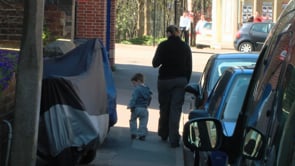
Tristan – walking along the high street
Attachment in practice – independence boundaries frustration & conflict
Transition to school – chatting with mum
The sucasenis
Taking turns
Exploring paint
Pouring sand
Following child’s interests – schema
Orson’s dice game
Filip – planning meeting
Jack plays with cars
Sounds game
The spider catcher
Story telling and having fun with language
The importance of rough and tumble play
Learning through Play – Personal, social & emotional development
Life at two – A feeling of belonging at nursery
Life at two – Learning & exploring with mum
Life at two – Ava’s first full day at nursery
Life at two – playing with key person
Life at two – making friends & joining in
Life at Two – Introducing Ava and her family
Life at Two – Ava starts nursery
Life at two – Developing independence at home
Bean bag game – keeping score
Shopping trip – independence and boundaries
Conversation with peers
Communicating ideas
Writing my name
Who’s got more?
Messy play
The studio
Registration cards – Literacy – EAL
Aziah plays with paint
Erin explores with water – 2
Types of play – parallel – Putting babies to bed
Adult led play – Twos – Sounds game
Aziah looks at books
Aziah – group time
Introducing Aziah
Harry at the paint table
Introducing Esme
Esme arrives at nursery
Esme and the gardening tray
Aziah washes her hands
Aziah makes a print
The cafe – ELGs
Anna makes a tent village – ELGs
What does Helen Moylett think of Siren’s films?
What does David Attenborough think of Siren’s films?
How to use the Clip Library
Babies Outdoors – Intro
Babies Outdoors – Bobby explores the garden
Babies Outdoors – Bobby plays in the garden
Babies Outdoors – Ko plays in the park
Angus feeds dolly
Joanne’s tea party
Seb – In the park
Seb plays with bricks (long)
Magic me into a kitty cat
Steiner approach to play
Steiner approach – environment and materials
Happy birthday – two languages
Group singing own songs
Ichen’s stone ball
Barbara Isaacs – need for parents to understand play
Stones and shells
Laura – Event sample – without additional materials
Three on a bike
Two year olds outdoors – introduction
Two Year Olds Outdoors – Tristan
Two year olds outdoors – Sheja
Two year olds outdoors – Skye
Tree decorating
Tidy and sort – blocks and shapes
Maths at snack time
Collecting and counting
Toddlers Outdoors – Liam explores the garden
Learning through play – Creative development
Learning through Play – mathematical development
Learning through play – Communication & language
Toddlers Outdoors – Daisie – No voice over
Toddlers Outdoors – Liam – No voice over
Toddlers Outdoors – Abolfazal – No voice over
Toddlers Outdoors – Jaleel – No voice over
Toddlers Outdoors – Yasmine – No voice over
Dennis wants to count
Snack time – counting and amounts
Ava makes up a song – Fishes for wa tea
Supporting children’s play and exploration
Playing & Exploring – Being willing to have a go
Playing & Exploring – Playing with what they know
Playing & Exploring – Exploring
Playing & Exploring – Introduction
Supporting children’s active learning
Active Learning – Keeping on trying
Active Learning – Enjoying achieving what they set out to do
Active learning – Being involved and concentrating
Active Learning – Introduction
Supporting creative and critical thinking
Creating and thinking critically – choosing ways to do things
Creating and thinking critically – Making links
Creating and thinking critically – Having their own ideas
Creating and thinking critically – Introduction
The Characteristics of Effective Learning – an overview
Aziah in the soft play
Alison Gopnik – Why do you think humans have such a long period of childhood?
A game of skittles – ELGs
Lego tower – ELGs
Counting to 50 – ELGs
Making number patterns – ELGs
Writing examples – ELGs
Giant stories – ELGs
Writing outside – ELGs
Going to Slovakia – ELGs
Phonics session – ELGs
Guided reading – ELGs
Reading in the den – ELGs
High School Kung Fu – ELGs
Climbing, crawling and chasing – ELGs
Drawing a grid – ELGs
Racing – ELGs
Building a path – ELGs
A game of pirates – ELGs
Playing chess – ELGs
TIger’s can’t actually skip you know! – ELGs
I want to be in the bed! – ELGs
Drawing Giants – ELGs
The witches den – ELGs
Book about life – frogs – ELGs
Amanda’s butterfly – ELGs
Gemma puts on her hats – ELGs
In conversation with Alison Gopnik, professor of psychology at the University of California, Berkeley
In conversation with Barbara Isaacs, Ambassador of Montessori International
In conversation with Kate Moxley: all about educator wellbeing
In conversation with Lucy Crehan – research about effective teaching
Adventure walk – ELGs
Poppy – talking with dad
Introducing Poppy
Poppy plays with pens
Poppy explores outside
A morning with Poppy
Poppy – Ready, steady… go 1
Poppy – Ready, steady… go 2
Examples of work – Exploring understanding the world – ELGs
The perfume shop – ELGs
The Three Little Pigs – ELGs
Making up a rainbow song – ELGs
Transformers story – ELGs
Drawing a bee – ELGs
Observing a bee – ELGs
Book about Life – birds – ELGs
The journey to school – ELGs
Building a city – ELGs
David Whitebread talks about why pretend play is important for developing self-regulation
Two Year Olds Outdoors – Full Film
Prof. Eunice Lumsden talks about the MANDELA model
In conversation with Warda Farah, Lecturer of Speech & Language Therapy, University of Greenwich
In conversation with Eunice Lumsden, Professor of Child Advocacy, University of Northampton
Esme paints
Play and SEND
Play, love and nurture – Abolfazal
Play and Joy – The long grass
Play in School based settings – House for baby orangutang
Play and physical development
Play and sustainability – The mud kitchen
The Playful Brain – Children collaboratively problem solving in active play
Playful Learning from Birth
Play in the EYFS – The three little pigs
Play and Technology
Quality Play – The sea saw
How to support parents with tummy time
Tummy Time and Brain Development
Tummy Time with a water cushion
Tummy time – tiger in the tree